
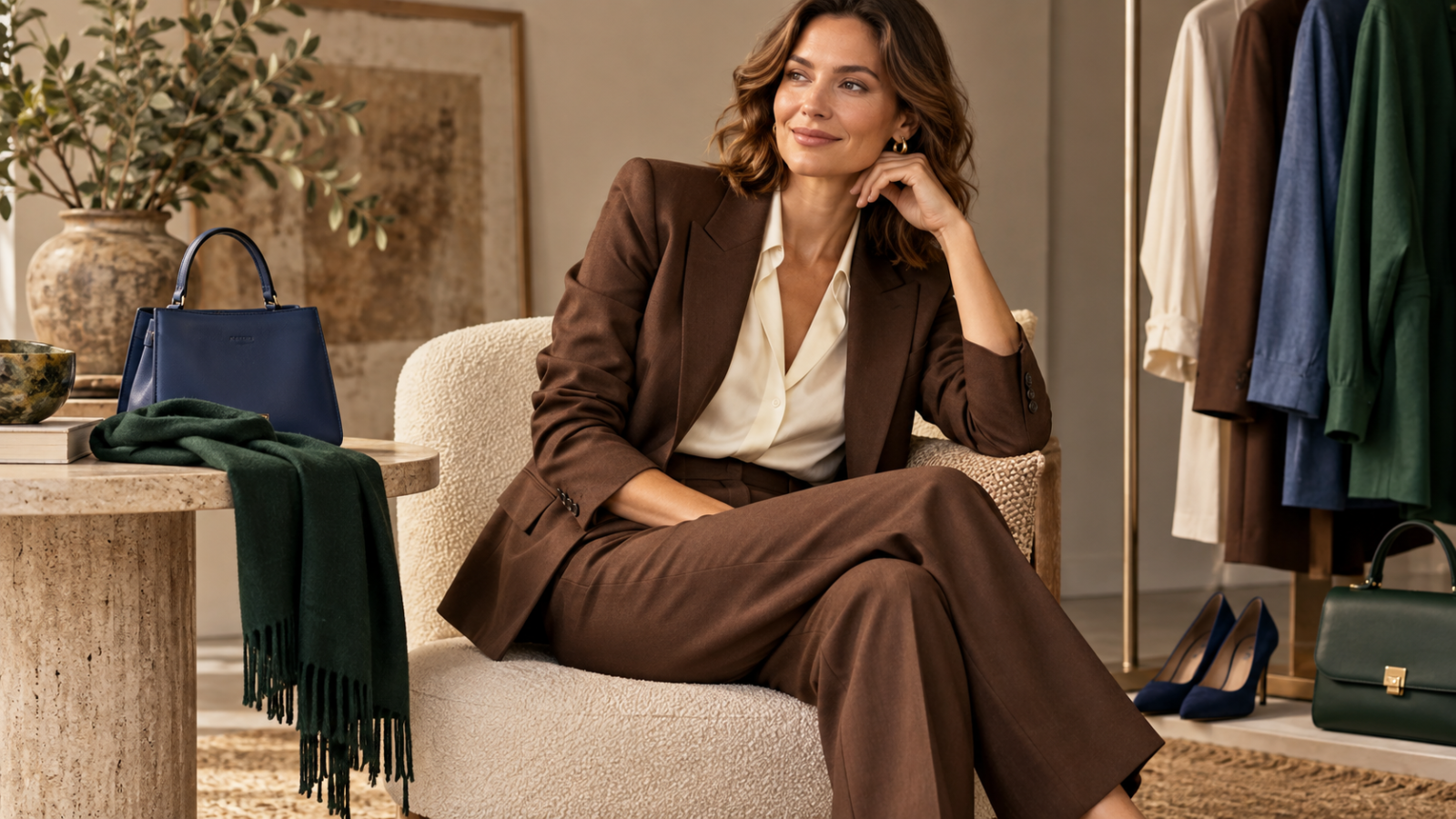

What is business formal attire for a woman? Business formal attire for a woman means the most professional, polished workplace look: a tailored suit, a formal dress with a blazer, or dress trousers or a skirt with a structured blazer, in neutral colors. It includes closed-toe heels or polished flats and minimal, elegant accessories. Business formal is the dress code for corporate offices, important meetings, and formal professional events. The goal is authoritative, refined, and put-together, dressier than business casual and focused on a conservative, professional appearance.
Business formal can feel intimidating if you are unsure of the rules. Here is a clear guide to what business formal attire means for a woman, what to wear, and how it differs from other dress codes.
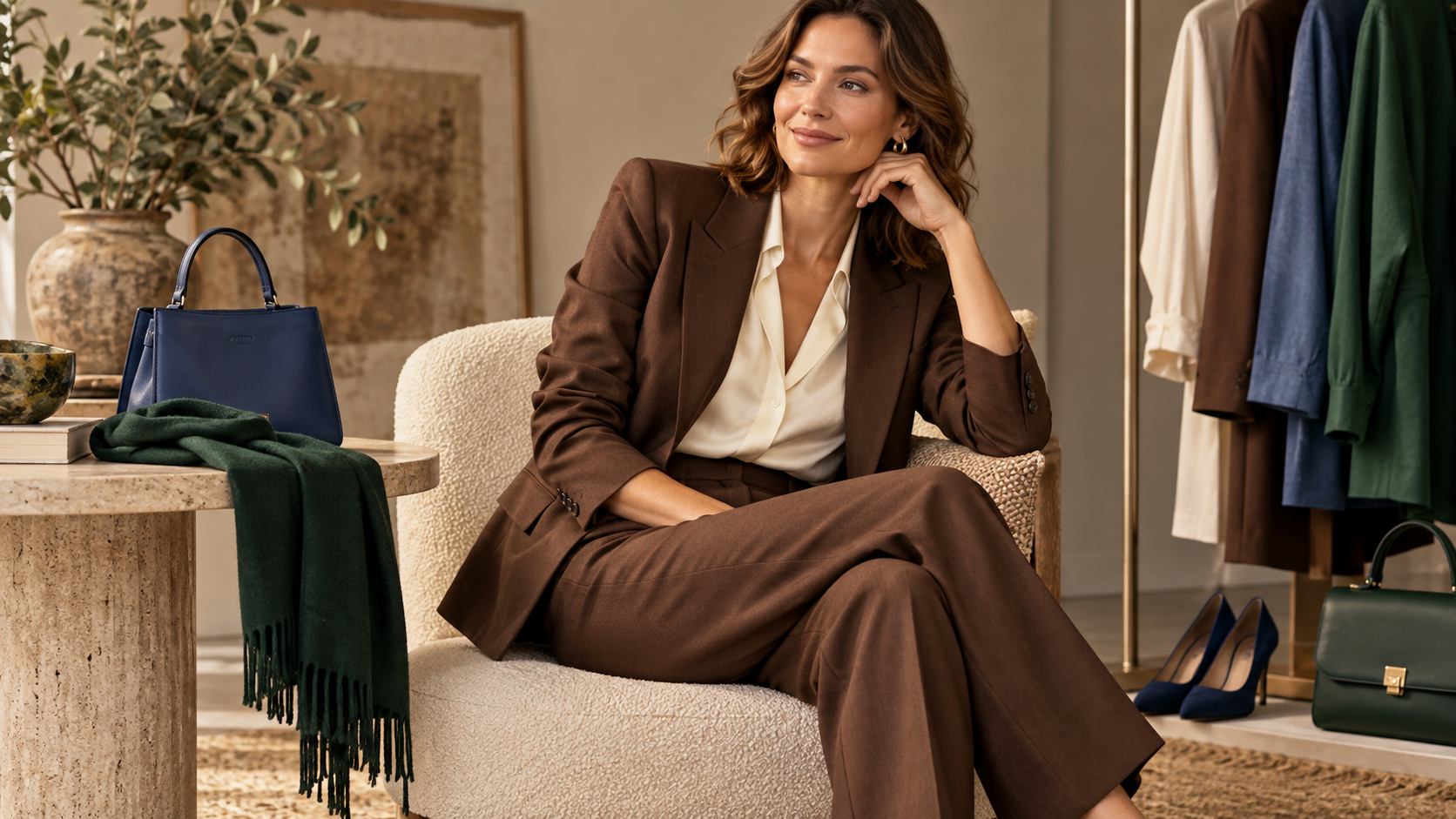
What Is Business Formal Attire for a Woman: What Business Formal Attire Means
Business formal is the most professional and polished workplace dress code. It is dressier and more conservative than business casual.
The idea is to look authoritative, refined, and put-together, projecting competence and professionalism. Business formal is common in corporate environments like law, finance, and executive settings, as well as for important meetings, interviews at formal companies, and professional events.
It emphasizes tailored, structured pieces in neutral colors, with a conservative, polished appearance. Business formal is about looking sharp and professional, not about personal flair or trends.
For additional workplace guidance, review this professional interview attire guide.
Business Formal vs Business Casual
Business formal and business casual are often confused, but they are distinct. Here is how they compare.
| Dress Code | Formality | Women’s Outfit |
|---|---|---|
| Business casual | Medium | Blouse with dress trousers, cardigan or blazer optional |
| Business formal | High | Tailored suit, formal dress with blazer, structured pieces |
Business casual is more relaxed, allowing blouses, knit sweaters, and optional blazers. Business formal is stricter and dressier, calling for tailored suits, structured blazers, and a more conservative, polished look. Business formal is the more professional, dressed-up of the two.
What to Wear for Business Formal: Women
Here are the core business formal options for women, all polished and professional.
A tailored suit with trousers or a knee-length skirt, the most classic choice
A formal dress with a structured blazer
Dress trousers or a pencil skirt with a blouse and a tailored blazer
A sheath dress in a neutral color with a blazer
Pair your outfit with closed-toe heels or polished flats, and keep accessories minimal and elegant. Choose neutral colors like black, navy, gray, and charcoal, with crisp white or light blouses. A tailored suit or a dress with a structured blazer is the safest, sharpest business formal choice for a woman.
Colors and Fabrics for Business Formal
The colors and fabrics you choose are key to a proper business formal look, since they signal professionalism.
For colors, business formal favors conservative neutrals:
Black, navy, gray, and charcoal for suits and dresses
White, light blue, and soft neutrals for blouses
Minimal or no bold colors and patterns
For fabrics, choose structured, quality materials:
Wool and wool blends for suits
Crisp cotton for blouses
Ponte and crepe for structured dresses
Avoid casual fabrics like denim and jersey, and skip loud colors or busy patterns. Neutral colors and structured, quality fabrics are what give business formal its polished, authoritative look. A well-tailored navy or charcoal suit in a quality fabric is the epitome of business formal.
Shoes and Accessories for Business Formal
Shoes and accessories complete a business formal look, and both should stay polished and understated.
For shoes:
Closed-toe heels, in a moderate, comfortable height
Polished flats or loafers
Neutral colors like black, navy, or nude
For accessories:
Minimal, elegant jewelry, like small earrings and a simple necklace
A structured bag or professional tote
A quality watch
Keep everything understated and refined. Business formal favors a clean, minimal look over statement accessories. Closed-toe shoes are important, since open-toe styles can read too casual for the most formal professional settings. Polished, understated shoes and accessories complete the authoritative business formal look.
Business Formal by Season
Business formal stays polished year-round, but the fabrics and layers shift with the weather. Knowing how to adjust keeps you comfortable and appropriate.
Spring and summer: Lighter-weight suits and fabrics. A tailored suit in a lighter wool or a crisp cotton blouse keeps you cool while staying professional. Choose breathable fabrics, and keep a blazer on for the polished look. Closed-toe heels or flats in lighter neutrals suit the season.
Fall and winter: Heavier fabrics and layers. Wool suits, structured dresses, and fine-knit layers under blazers keep you warm. Deeper neutrals like charcoal and navy suit the season. A tailored coat over your business formal outfit keeps it polished outdoors.
Across seasons, the core stays the same: tailored, structured pieces in neutral colors. You simply adjust the fabric weight and layers to the temperature, keeping the authoritative, professional business formal look.
How to Build a Business Formal Wardrobe
Building a business formal wardrobe is simpler than it seems, since a few key pieces mix into many outfits. Focus on quality staples.
The core business formal pieces to invest in:
A tailored suit in navy or charcoal, the foundation
A second suit or coordinating separates in a neutral
Two or three crisp blouses in white and light neutrals
A structured blazer that pairs with trousers and skirts
A sheath or shift dress in a neutral color
Closed-toe heels and polished flats in neutral tones
When these pieces share a neutral palette, they mix and match into many professional outfits. A tailored suit worn together reads most formal, while the blazer and trousers can pair with different blouses for variety. Investing in quality, well-tailored staples in neutral colors gives you a reliable business formal wardrobe that lasts for years and always looks polished.
Why Fit and Tailoring Matter Most
Beyond the pieces and colors, fit is what makes business formal look truly professional. A well-fitting outfit signals competence and attention to detail.
Business formal relies on tailored, structured pieces, and tailoring is what gives them their sharp, polished look. A few fit points to check:
The blazer should sit right at your shoulders, with sleeves ending at your wrist
Trousers should fit cleanly through the hip and leg, with the right length
A skirt should sit at a professional length, around the knee
Blouses should skim the body without pulling or gaping
An off-the-rack suit often benefits from a few alterations, and a good tailor is worth the investment for business formal wear. A perfectly tailored suit in an affordable fabric looks more professional than an expensive one that fits poorly. Since business formal is all about a refined, authoritative appearance, fit does much of the work. Investing in tailoring for your key business formal pieces pays off every time you wear them.
Business Formal Mistakes to Avoid
Steer clear of these to nail the business formal dress code.
Going too casual. Jeans, knit sweaters, and casual dresses are too relaxed. Choose tailored suits and structured pieces.
Bold colors or busy patterns. Business formal favors neutrals. Save bold looks for other settings.
Revealing or tight clothing. Keep it conservative and professional with appropriate fit and coverage.
Casual or open-toe shoes. Choose closed-toe heels or polished flats.
Statement accessories. Keep jewelry and accessories minimal and elegant.
FAQ
What is business formal attire for a woman?
Business formal attire for a woman means the most professional workplace look: a tailored suit, a formal dress with a blazer, or dress trousers or a skirt with a structured blazer, in neutral colors. It includes closed-toe heels or polished flats and minimal, elegant accessories, with an authoritative, refined feel.
What is the difference between business formal and business casual?
Business casual is more relaxed, allowing blouses, knit sweaters, and optional blazers. Business formal is stricter and dressier, calling for tailored suits, structured blazers, and a conservative, polished look in neutral colors. Business formal is the more professional and dressed-up of the two.
What colors should you wear for business formal?
Business formal favors conservative neutrals like black, navy, gray, and charcoal for suits and dresses, with white, light blue, and soft neutrals for blouses. Avoid bold colors and busy patterns, since business formal emphasizes a polished, professional, understated appearance.
What shoes are appropriate for business formal?
Closed-toe heels in a moderate height, or polished flats and loafers, in neutral colors like black, navy, or nude. Closed-toe styles are important, since open-toe shoes can read too casual for the most formal professional settings. Keep shoes polished and understated.
Final Takeaway and Next Step
Knowing what is business formal attire for a woman makes dressing for formal professional settings more confident. Business formal attire for a woman means a tailored suit, a formal dress with a blazer, or structured separates in neutral colors, with closed-toe heels and minimal accessories. It is the most professional, conservative dress code, dressier than business casual and focused on an authoritative, polished appearance. Choose quality fabrics and a clean, refined look.
Your next step: check your wardrobe against the business formal staples, a tailored suit, a structured blazer, and neutral blouses, and note any gaps. Investing in one well-tailored suit in a neutral color gives you a reliable business formal base you can rely on for corporate settings, important meetings, and formal professional events.