

Sustainability is not something that is just a fashion statement in the fashion world anymore. Consumers are increasingly seeking stylish, durable, and environmentally friendly clothing. Consequently, numerous sustainable fashion brands have been founded that provide a solution to fast fashion. However, not all brands that boast about sustainability are, in fact, ethical and environmentally conscious.
Selecting the right brand can be quite overwhelming due to the many options available. But many considerations can help decide if a fashion company is truly sustainable, from sourcing to labor. Here is a guide to know what you are looking for when choosing luxury sustainable fashion brands to match your values.
The Significance of Sustainable Fashion
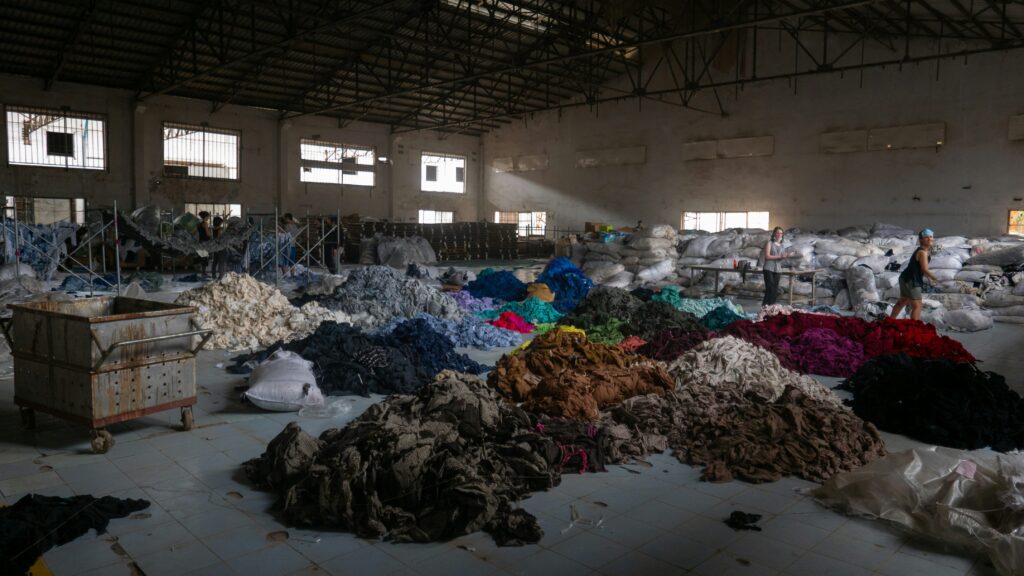
The fashion industry is very harmful to the environment. The U.S. Environmental Protection Agency (EPA) reports that the waste from textiles in the U.S. amounted to approximately 17 million tons, with millions of tons in landfills. The recyclability rate of textile products is rather low, indicating the need to promote responsible consumption and production.
Furthermore, the U.S. Government Accountability Office (GAO) states that over the past two decades, the amount of textile waste has grown, in part because of the expansion of fast fashion.
Consumers can help promote a more circular fashion economy by supporting sustainable fashion brands, reducing waste, and encouraging ethical manufacturing practices.
Some Tips to Choose the Best Sustainable Fashion Brands
Follow these key tips while looking for the best brands for sustainable fashion.
1. Look for Transparency
Transparency is one of the key factors of a credible, sustainable brand. A truly sustainable business is transparent in its reporting on:
• Where its products are made
• Manufacturing processes
• Material sourcing
• Labor conditions
• Sustainability goals
Brands that release annual sustainability reports and details of their supply chain are more likely to be trusted than those that make generic environmental claims.
While shopping for sustainable fashion brands, go to their site and see if they have a clear statement of their efforts and sustainability initiatives. When information is hard to locate or too vague, be aware of a red flag.
2. Check the Materials Used
Fabrics play a significant role in sustainability. Be sure to find brands that include:
• Organic cotton
• Recycled polyester
• Hemp
• Linen
• TENCEL™ or Lyocell
• Recycled wool
• Recycled nylon
These materials typically use fewer resources and have a lower environmental footprint than traditional materials.
Some top luxury sustainable fashion companies are putting huge efforts into materials, such as recycled fabrics or even using materials from plants. This helps to minimize reliance on raw materials and ensures quality.
3. Evaluate Ethical Labor Practices
Sustainability is more than just the environment. Social responsibility is also included. A good sustainable fashion company will guarantee:
• Fair wages
• Safe working conditions
• No child labor
• Respect for workers’ rights
Check for certifications or statements that validate ethical labour standards. Companies that disclose information regarding working conditions in factories and workers’ welfare are more likely to show a commitment to responsible business practices.
The top sustainable fashion brands know that sustainability for the planet and for people is intertwined.
4. Look for Trusted Certifications
Certifications can support substantiated sustainability claims. There are some well-known qualifications, such as:
• Global Organic Textile Standard (GOTS)
• Fair Trade Certified
• OEKO-TEX Standard 100
• Bluesign
• Cradle to Cradle Certified
Certifications are not a definitive measure of sustainability, but they do give extra assurance that a company’s operations adhere to acknowledged environmental and ethical guidelines.
Many luxury sustainable fashion brands have these certifications prominently featured as a part of their responsible production.
5. Focus on Quality and Durability
It is really easy to shop sustainably, like, just buy less of a higher quality. High-quality clothing:
• Lasts longer
• Requires fewer replacements
• Reduces waste
• Has a higher time value
Before purchasing, examine:
• Fabric quality
• Stitching
• Construction
• Care instructions
Sustainable fashion brands focus on design that is more about enduring than trends. This way, the consumer will be tempted to wear clothes for many years instead of changing them seasonally.
6. Beware of Greenwashing
Greenwashing is the practice of companies making themselves appear environmentally friendly, but not actually improving their environmental practices. The following are typical examples of greenwashing:
• Non-specific claims such as “eco-friendly” (without any substantiating evidence)
• Lack of transparency
• No sustainability reports
• Poor information on sourcing or production
Some brands resort to using environmental messaging as a marketing tactic as a result of the growing trend of sustainable fashion. With the rise of sustainable fashion, some brands have environmental messaging as a marketing tactic. Researching brands is something that is becoming more important to consumers and experts alike.
To determine whether a brand is sustainable, always consider looking for measurable actions rather than words used in advertising.
7. Consider Circular Fashion Initiatives
The future of fashion is getting circular. Numerous innovative brands currently have:
• Clothing repair programs
• Recycling services
• Resale platforms
• Rental options
• Upcycling initiatives
Circular fashion plays a role in prolonging the life cycle of clothes and minimizing fabric waste. In recent times, there has been a strong emphasis on repairing, reusing, and recycling clothes, instead of purchasing new garments regularly, within the sustainability movement.
Brands that adopt circular fashion may show a greater level of commitment to sustainability than other brands that sell products.
8. Research Brand Reputation
When choosing a brand, take time to research the customer reviews and independent evaluations. Check for feedback on:
• Product quality
• Sustainability claims
• Customer service
• Ethical practices
Another option is to look at sustainability rating platforms that evaluate companies on their environmental, labor, and transparency practices.
Building a reputation can be done over a period of time and not just by marketing.
Don’t Ignore Luxury Sustainable Fashion Brands
There is a perception that sustainable fashion is only available in niche or casual markets. But there are a handful of luxury sustainable fashion brands that are driving sustainability innovation.
Luxury brands typically have more resources at their disposal, which can be allocated to:
• Sustainable materials
• Traceable supply chains
• Renewable energy
• Ethical manufacturing
These products might have a higher initial price tag, but they can offer remarkable durability and quality, making them a solid value for money over time.
In the modern era, numerous luxury sustainable fashion companies are demonstrating how style and quality can go hand in hand with sustainability.
Build a Sustainable Wardrobe Gradually
It doesn’t take a new wardrobe to replace all your clothes. Instead:
• Get only what you need and carefully select it.
• Quality is more important than quantity.
• Support responsible brands.
• Repair clothing when possible.
• Consider secondhand shopping.
• Give away or take care of unwanted clothes!
Consumer interest in shopping sustainably is high. Nevertheless, many consumers struggle with finding a reputable place to shop. A gradual approach is more effective and less expensive during this transition to sustainable fashion.
Conclusion
If you are looking for the best sustainable fashion brands, you need to consider a lot more than just what is on the label of the product. Transparency, ethical labor practices, use of sustainable materials, dependable certification, and apparel durability are all good indicators of whether or not a company is truly sustainable.
Whether you are purchasing from an affordable ethical fashion label or searching for luxury sustainable fashion brands, make sure you are supporting the ones that have demonstrated measurable actions to support their claims. Through making informed consumer choices, you can assist in creating a fashion industry that has a commitment to people, our environment, and maintaining a sustainable future.
As environmental and textile waste continue to rise, consumer support for ethical fashion will contribute greatly to creating positive change within the fashion industry.