
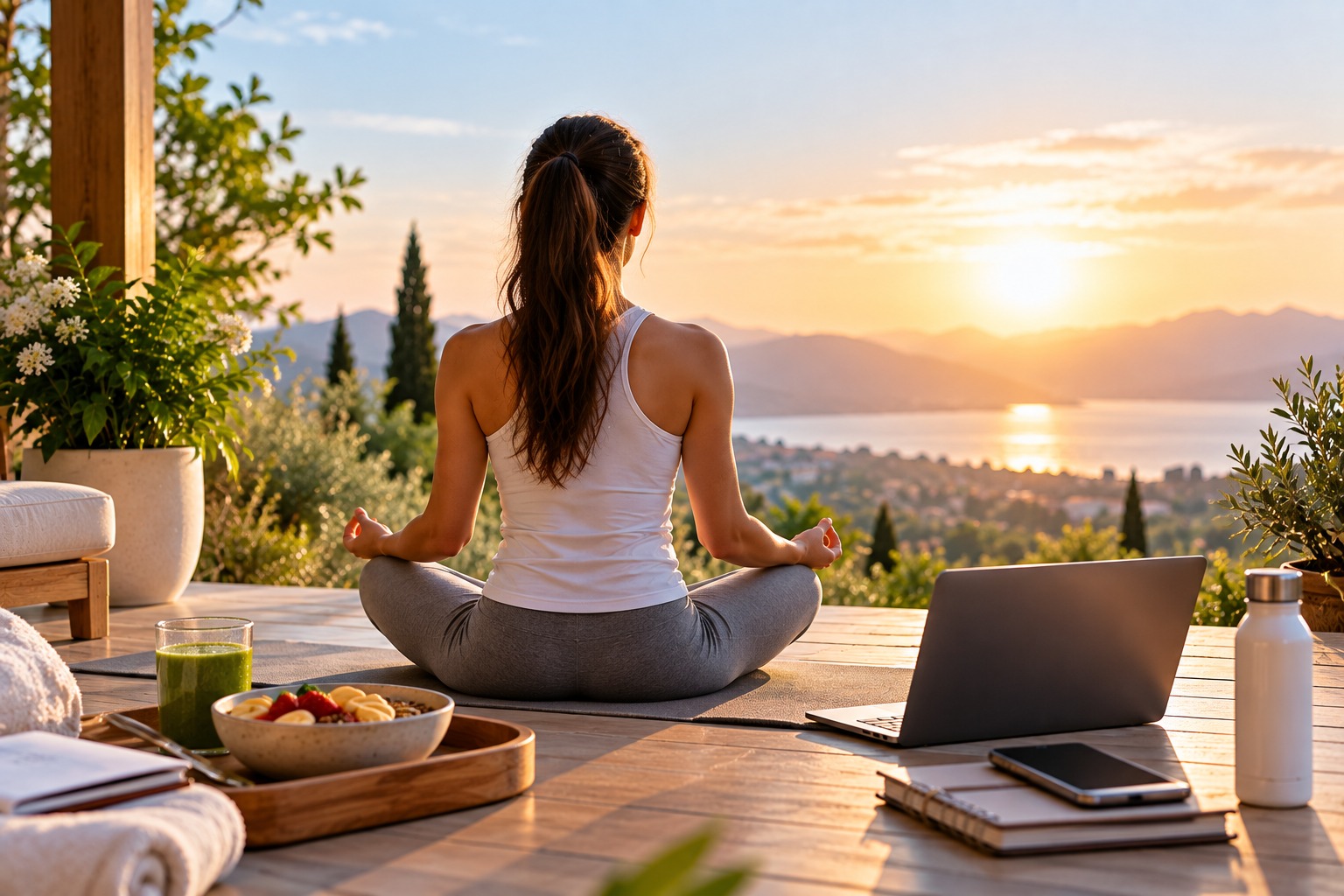

To live a more balanced lifestyle, focus on five simple areas: create a realistic daily routine, take care of your physical health, make time for relationships and yourself, manage work and responsibilities wisely, and regularly review your priorities. Balance does not mean making every part of life equal. It means giving enough attention to the things that matter most.
Modern life can become busy very quickly. Work, family responsibilities, social activities, personal goals, household tasks, and digital distractions can make it difficult to find enough time for yourself. When everything feels important, your lifestyle can become stressful and unbalanced.
Learning how to live a more balanced lifestyle does not require completely changing your life. Small and consistent changes can make your days more organized, healthier, and more enjoyable.
A balanced lifestyle is about finding a practical combination of work, health, relationships, rest, and personal time. The goal is not perfection. Instead, it is about creating habits that support your physical and mental well-being while still allowing you to enjoy everyday life.
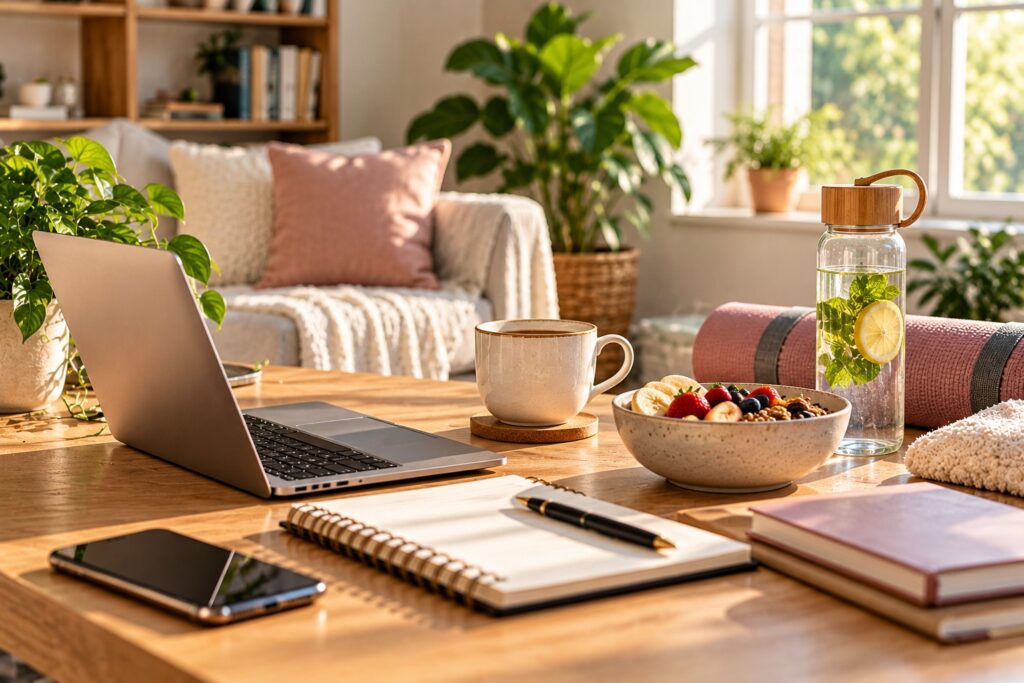
Here are 5 simple suggestions that can help you create more balance in your daily routine.
1. Create a Realistic Daily Routine
One of the easiest ways to create balance is to have a simple daily routine. Without some structure, it is easy to spend too much time on one activity while ignoring other important areas of life.
A routine can help you understand where your time is going and make your day more predictable.
Start With Your Most Important Tasks
At the beginning of the day, identify two or three important tasks. These could include work responsibilities, household activities, exercise, studying, or personal projects.
Avoid creating a huge list of tasks that is difficult to complete. A shorter list can help you stay focused without creating unnecessary pressure.
Leave Space Between Activities
A common mistake is planning every minute of the day. Unexpected things can happen, so your routine should have some flexibility.
For example, instead of scheduling back-to-back activities throughout the day, leave short breaks between them. This gives you time to relax, travel, prepare, or simply reset.
Example of a Balanced Daily Routine
| Time | Activity |
|---|---|
| 7:00 AM | Wake up and drink water |
| 7:30 AM | Breakfast |
| 8:00 AM | Prepare for work or study |
| 9:00 AM | Work or important tasks |
| 1:00 PM | Lunch and short break |
| 2:00 PM | Work or daily responsibilities |
| 5:00 PM | Exercise or outdoor activity |
| 7:00 PM | Family or personal time |
| 9:00 PM | Relax and prepare for tomorrow |
| 10:30 PM | Wind down for sleep |
Your schedule does not need to look exactly like this. The important thing is to create a routine that fits your lifestyle.
2. Make Your Physical Health a Priority
Physical health is an important part of a balanced lifestyle. When you regularly ignore sleep, nutrition, movement, or rest, it can become harder to manage other areas of your life.
You do not need an extreme fitness plan. Simple habits can make a difference.
Eat Balanced Meals
Try to include a variety of nutritious foods in your meals. A balanced diet can include vegetables, fruits, whole grains, protein sources, and healthy fats.
Instead of focusing on perfection, aim for consistency. Occasional treats can also be part of a normal lifestyle.
Stay Physically Active
Regular movement can be as simple as walking, stretching, cycling, swimming, or doing a home workout.
If you have a busy schedule, start with a small amount of activity and gradually make it a regular habit.
Protect Your Sleep
Sleep should not always be the first thing sacrificed when your schedule becomes busy.
Create a relaxing evening routine and try to maintain a consistent sleeping schedule. A good night of rest can help you feel more prepared for the next day.
3. Make Time for Relationships and Yourself
Another important part of learning how to live a more balanced lifestyle is understanding that personal time and relationships matter.
People often become so focused on work and responsibilities that they forget to spend quality time with family, friends, or themselves.
Spend Quality Time With People You Care About
You do not necessarily need hours of free time to maintain meaningful relationships.
A family dinner, phone call, coffee with a friend, or short walk together can create valuable connections.
The quality of your time often matters more than the amount.
Schedule Personal Time
Personal time is not selfish. It can help you recharge and maintain a healthier lifestyle.
Your personal time could include:
- Reading a book
- Listening to music
- Going for a walk
- Cooking
- Gardening
- Watching a favorite show
- Practicing a hobby
- Spending quiet time without your phone
Choose activities that genuinely help you relax.
Learn to Say No
Trying to accept every request can quickly make your lifestyle stressful.
If something does not fit your priorities or schedule, it is okay to politely say no. Protecting your time can help you maintain better balance.
4. Create Better Work-Life Boundaries
Work is an important part of life, but it should not completely take over your personal time.
Whether you work from home, run a business, study, or work in an office, creating boundaries can help separate professional responsibilities from personal life.
Set Clear Working Hours
If possible, establish a beginning and ending time for work.
When your working hours finish, give yourself permission to move toward other parts of your life.
For people working from home, this can be particularly useful because the physical boundary between work and home may be less obvious.
Take Short Breaks
Working continuously for long periods can make your day feel exhausting.
Take short breaks to stand up, stretch, drink water, or step away from your screen.
These small pauses can make your daily routine feel less overwhelming.
Avoid Constant Digital Distractions
Phones and social media can take up more time than expected.
Try setting specific times for checking messages and social platforms instead of checking them continuously throughout the day.
A simple reduction in unnecessary screen time can create more space for important activities.
5. Review Your Priorities Regularly
The final suggestion for how to live a more balanced lifestyle is to regularly review your priorities.
Your responsibilities and goals can change over time. A routine that worked six months ago may not work today.
Ask Yourself Simple Questions
At the end of each week, take a few minutes to think about your lifestyle.
Ask yourself:
- Did I get enough rest?
- Did I spend time with people I care about?
- Did I take care of my physical health?
- Did I make progress on important goals?
- Did work take too much of my personal time?
- What made me feel stressed?
- What made me feel happy or relaxed?
These questions can help you identify areas that need attention.
Focus on Progress, Not Perfection
A balanced lifestyle will not look perfect every day.
Some days may be focused more on work. Other days may give you more time for family, exercise, hobbies, or rest.
The goal is to look at your lifestyle over time rather than expecting every single day to be perfectly balanced.
5 Suggestions for a More Balanced Lifestyle at a Glance
| Suggestion | What to Do | Main Benefit |
|---|---|---|
| Create a routine | Plan important daily activities | Better organization |
| Prioritize health | Eat well, move, and sleep properly | Better physical well-being |
| Make personal time | Enjoy hobbies and relationships | More relaxation |
| Set work boundaries | Separate work from personal life | Less daily pressure |
| Review priorities | Check what is working | Continuous improvement |
How to Start Living a More Balanced Lifestyle
You do not need to change everything at once. Starting with one or two habits can make the process much easier.
For example, you could begin by creating a simple morning routine. After that becomes comfortable, add regular exercise or a consistent bedtime.
A useful approach is:
Choose one habit → Practice it consistently → Review your progress → Add another habit.
This gradual approach can make lifestyle changes easier to maintain.
Common Mistakes That Can Affect Lifestyle Balance
Even when people understand the importance of balance, certain habits can make it difficult.
Trying to Do Everything
You cannot always complete every task, meet every expectation, and achieve every goal at the same time.
Focus on what is genuinely important.
Ignoring Rest
Rest is not wasted time. Your lifestyle needs periods of recovery just as much as it needs productivity.
Comparing Your Lifestyle With Others
Social media can make other people’s lives look perfect. Remember that online content usually shows selected moments rather than someone’s complete daily reality.
Create a lifestyle that works for your own responsibilities, goals, and circumstances.
Making Your Routine Too Complicated
A complicated routine can become difficult to maintain.
Simple habits that you can repeat consistently are often more practical than an unrealistic schedule.
Frequently Asked Questions
What does a balanced lifestyle mean?
A balanced lifestyle means giving reasonable attention to important areas such as health, work, relationships, rest, personal interests, and responsibilities.
How can I live a more balanced lifestyle?
You can start by creating a realistic routine, improving your sleep and nutrition, staying active, making time for relationships, setting work boundaries, and regularly reviewing your priorities.
Is a balanced lifestyle the same for everyone?
No. Everyone has different responsibilities, goals, schedules, and personal needs. A balanced lifestyle should be adapted to your individual situation.
How can I balance work and personal life?
Set reasonable working hours, take regular breaks, reduce unnecessary distractions, and create a clear transition between work and personal time whenever possible.
How long does it take to create a balanced lifestyle?
There is no fixed timeline. Small habits can become easier with consistent practice, but creating a sustainable lifestyle is an ongoing process rather than a one-time change.
Can a balanced lifestyle reduce daily stress?
A well-organized lifestyle may make daily responsibilities easier to manage by creating time for work, rest, health, and personal activities. However, everyone’s experience with stress is different.
Conclusion
Learning how to live a more balanced lifestyle is not about creating a perfect schedule or giving equal time to everything.
It is about understanding your priorities and making room for the things that support your overall quality of life.
Start with these five suggestions: create a realistic routine, prioritize physical health, make time for relationships and yourself, establish better work-life boundaries, and regularly review your priorities.
Most importantly, start small. One healthy habit today can become part of a much better lifestyle over time.