
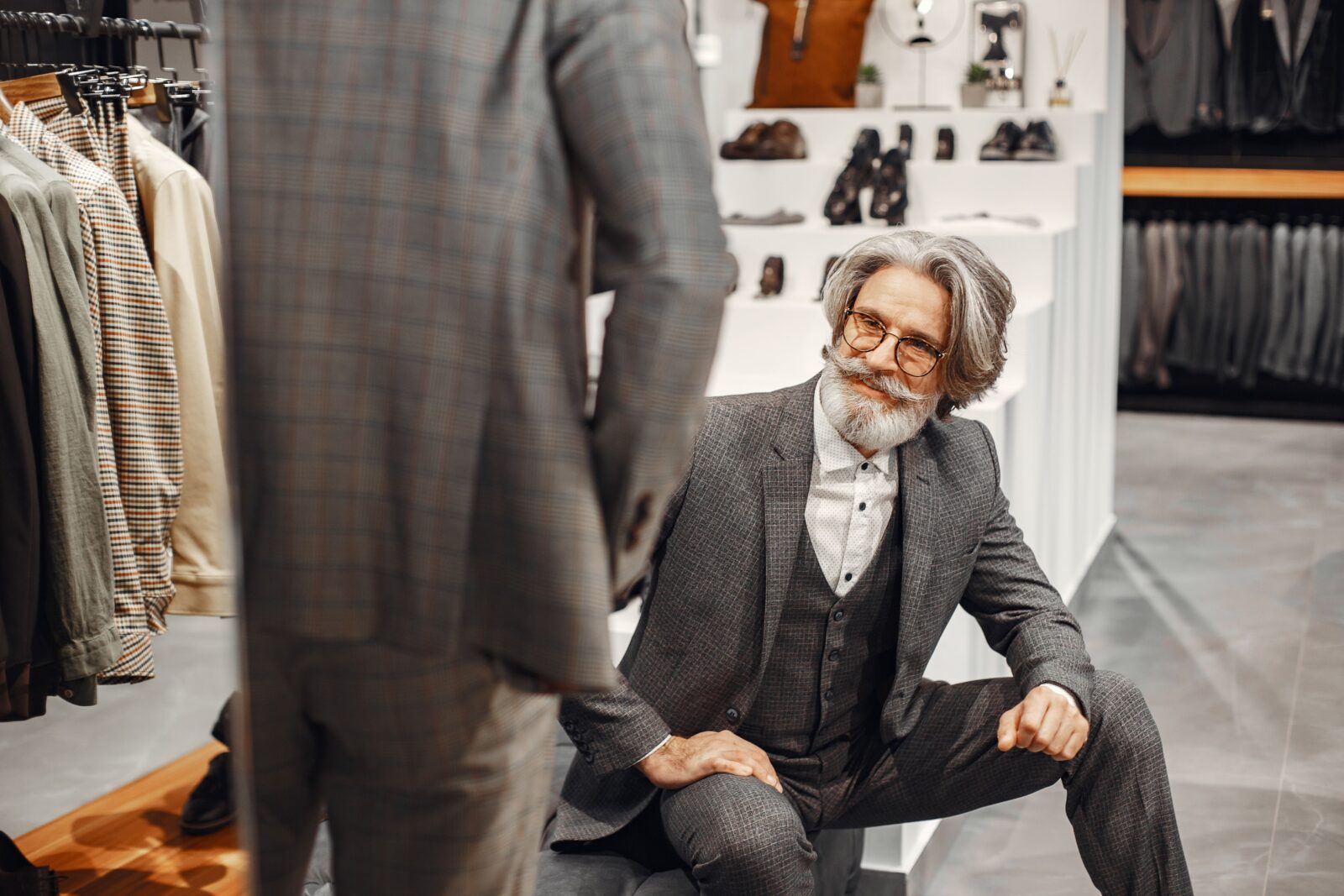

How to dress better, focus on fit, fabric, and simple color choices before anything else. Clothes that fit your body well look more expensive than they are. Stick to a few good neutrals, add one or two colors you love, and keep outfits simple. You do not need more clothes. You need the right clothes that work together. That is the real secret to looking put together every day.
Here is a clear, step-by-step way to dress better, even if you have never thought much about style.
Start With Fit, Not Trends
The single biggest thing that makes an outfit look good is fit. A cheap shirt that fits well beats an expensive one that does not.
Well-fitting clothes skim your body. They are not too tight and not too loose. The shoulder seams sit at your shoulders. The hem ends where it should. Sleeves stop at your wrist.
If you take one step today, take this one: try on your clothes and be honest about fit. Tailor or replace what does not fit. A good tailor is cheaper than a whole new wardrobe.
Build a Simple Wardrobe Base
You do not need a full closet. You need a base of pieces that mix and match.
Start with these building blocks:
- A pair of well-fitting jeans in a dark wash
- Tailored trousers in a neutral color
- A white button-down shirt
- A few plain tees in neutral colors
- A knit sweater or two
- A blazer that fits your shoulders
- One versatile jacket, like denim or a trench
- Simple shoes: white sneakers, ankle boots, or loafers
These pieces work together in dozens of combinations. Add your personal style on top, but this base carries you through most days.
Learn the Power of Neutrals
Neutral colors are the easiest way to look pulled together. They go with everything and never clash.
The core neutrals are:
- White and cream
- Black and gray
- Navy
- Beige, tan, and camel
- Denim blue
Build most of your wardrobe in these shades. Then add color through one or two pieces, like a bright sweater or a bold bag. This keeps outfits easy while still feeling like you.
Pay Attention to Proportion
Good outfits are balanced. When one part is loose, the other is usually fitted.
A few simple proportion rules:
- Loose top, slim bottom. Think oversized sweater with skinny jeans.
- Fitted top, wide bottom. Think tucked tee with wide leg pants.
- Tuck your top to show your waist and stop looking boxy.
You do not need to memorize rules. Just avoid loose on loose and tight on tight, and most outfits will look balanced.
Small Details That Lift an Outfit
Once fit and base are handled, small touches make a big difference.
| Detail | What It Does |
|---|---|
| Tucking in your top | Shows the waist, looks intentional |
| Rolling your sleeves | Adds a relaxed, styled feel |
| One simple accessory | Draws the eye, adds personality |
| Matching metals | Keeps jewelry looking cohesive |
| Clean, cared-for shoes | Finishes the whole look |
None of these cost much. They are habits, not purchases. And they separate a thrown-together outfit from a styled one.
Dress for Your Life, Not the Feed
The best-dressed people wear clothes that fit their actual life. There is no point buying party dresses if you work from home.
Think about your week. How much of it is work, casual, or dressy? Build your wardrobe to match that split. Most people need more everyday casual pieces than anything else.
When you shop, ask one question: will I wear this at least a few times a month? If not, skip it.
FAQ
How can I dress better on a budget?
Focus on fit and neutrals. Buy fewer, better-fitting pieces in colors that mix and match. Tailor what you own instead of replacing it. Thrift stores and sales help you get quality basics for less.
What are the basics I need to dress well?
Well-fitting dark jeans, neutral trousers, a white button-down, plain tees, a sweater or two, a blazer, one good jacket, and simple shoes. These mix into most outfits you will need.
How do I know if my clothes fit well?
Shoulder seams should sit at your shoulders. Clothes should skim your body, not pull or bunch. Sleeves end at the wrist, and hems land where they should. If something pulls or gaps, it does not fit.
How do I find my personal style?
Look at outfits you love and spot the patterns: colors, shapes, and vibe. Start with a neutral base, then add pieces that match those patterns. Style builds over time, so keep what feels like you and drop what does not.
Final Takeaway
Dressing better is not about buying more. It is about fit, a simple base, neutral colors, and balanced proportions. Get those right and even basic clothes look great.
Start this week by trying on everything you own and sorting it into fits and does-not-fit. That one exercise will teach you more about your style than any shopping trip.