
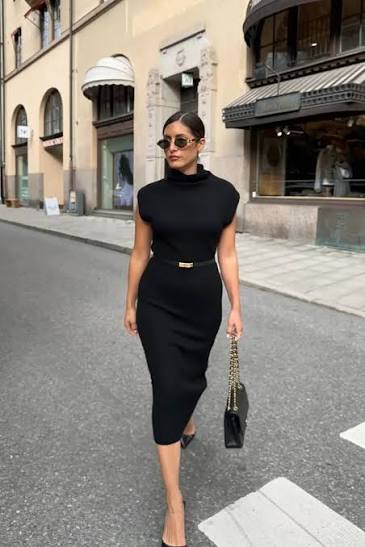

How To Dress Well Women is the focus of this practical guide. Use the steps below to create a polished, balanced outfit with confidence.
To dress well as a woman, focus on three things before anything else:
fit, a simple color palette, and balanced proportions. Clothes that fit
your body well look more expensive and polished than loose or tight
ones. A small set of colors that work together makes every outfit easy.
And balancing loose with fitted pieces flatters your shape. You do not
need more clothes or a big budget to dress well. You need the right
pieces that fit and work together, worn with a little intention.
I have spent years helping people rebuild their wardrobes, and the
same lesson comes up every time: dressing well is a skill, not a talent
or a spending contest. Below is the practical, step-by-step approach I
use, so you can look put together every day.
Why Dressing
Well Is Simpler Than It Looks
The fashion industry can make dressing well feel complicated and
expensive. It is not. The women who always look pulled together usually
rely on a few simple habits, not a huge closet.
This matters because clothing is a real investment. The average US
household spends around $162 per month on apparel, according to industry
data compiled by UniformMarket. Learning to dress well means getting
more from what you buy, instead of filling your closet with pieces you
never wear.
The good news is that the core skills are learnable. Fit, color, and
proportion do most of the work, and none of them require designer
prices.
Step 1: Start With
Fit
Fit is the single biggest factor in how good your clothes look. A
well-fitting piece from an affordable store beats an expensive one that
does not fit.
Here is what good fit looks like:
-
Shoulder seams sit right at the edge of your
shoulders -
Clothes skim your body without pulling or
bunching -
Sleeves end around your wrist bone
-
Hems land where they should for the style
-
Waistbands sit comfortably without digging in
If you take one step to dress well, take this one: be honest about
fit. Tailor or replace what does not fit. A good tailor is far cheaper
than a whole new wardrobe, and small alterations transform how clothes
look on you.
Step 2: Build a
Simple Color Palette
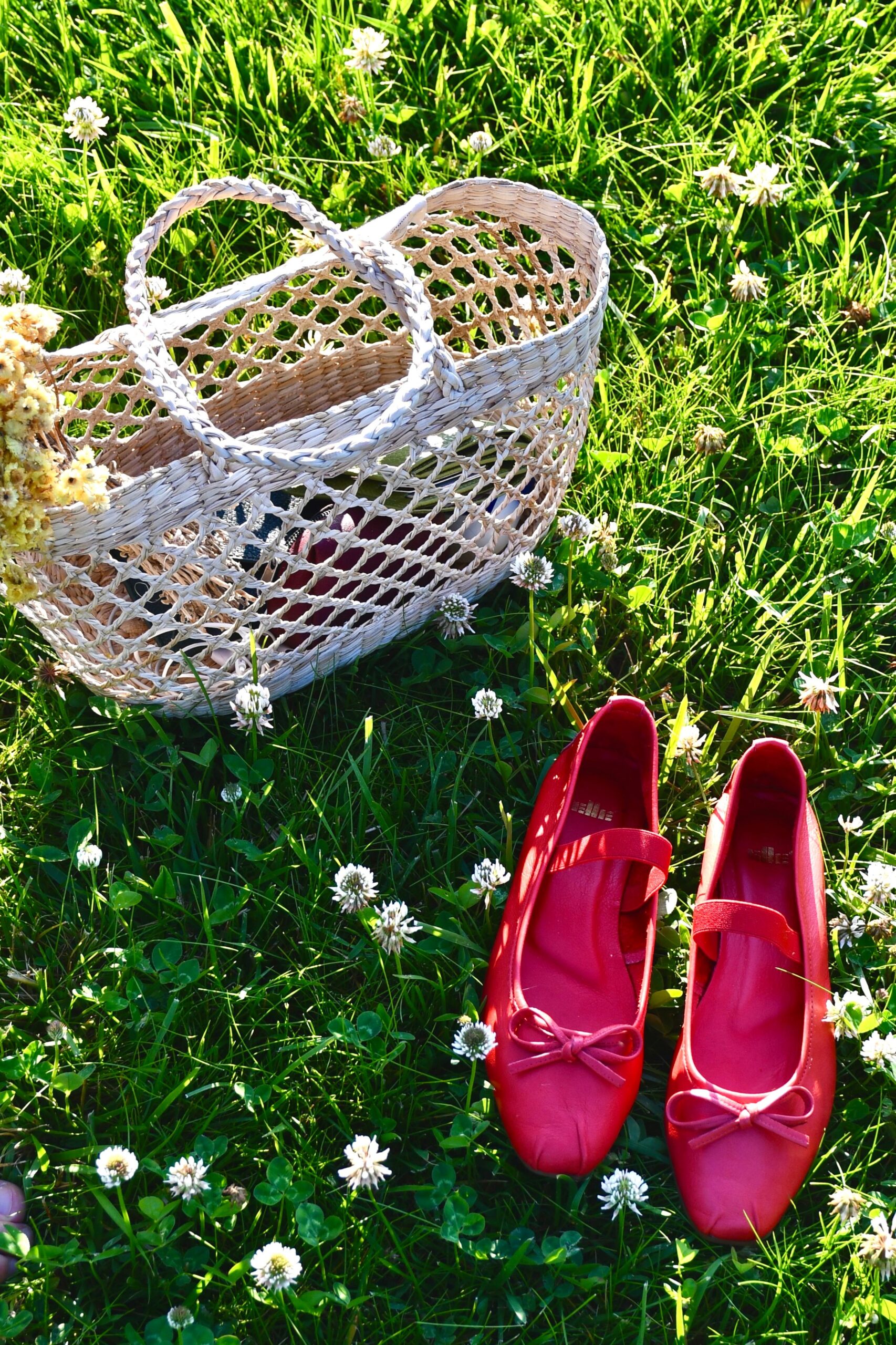
A tight color palette is a quiet secret of women who dress well. When
your colors work together, almost every piece mixes and matches, and
outfits look intentional.
Start with a base of neutrals:
-
White and cream
-
Black and gray
-
Navy
-
Beige, tan, and camel
-
Denim blue
Build most of your wardrobe in these shades, then add one or two
accent colors you love. This keeps outfits easy while still feeling like
you. A closet full of matching neutrals with a few pops of color creates
dozens of outfits from a small number of pieces.
Step 3: Balance Your
Proportions
Balanced proportions flatter almost every body type. The rule is
simple: when one part of your outfit is loose, keep the other
fitted.
| If This Is Loose | Make This Fitted |
|---|---|
| Oversized sweater | Slim jeans or leggings |
| Wide leg trousers | Tucked or fitted top |
| Flowy dress | Add a belt to define the waist |
| Baggy top | Slim bottoms, tuck the top |
You do not need to memorize complex rules. Just avoid loose-on-loose
and tight-on-tight, and define your waist with a tuck or belt. That
alone makes most outfits look put together.
Step 4: Add Finishing
Touches
Small details separate a thrown-together outfit from a styled one.
These are habits, not purchases.
-
Tuck in your top to show your waist
-
Roll your sleeves for a relaxed, intentional
feel -
Add one accessory, like earrings or a belt
-
Match your metals so jewelry looks cohesive
-
Keep shoes clean to finish the whole look
One or two of these touches lift any outfit. They cost nothing and
take seconds, but they make a real difference in how polished you
look.
Dressing Well at Any
Age
Dressing well is not tied to age, and style confidence often grows
over time. Women over 50 are a powerful and stylish group, not an
afterthought. In fact, the “silver generation” of consumers aged 50 and
older holds around 72% of US wealth, according to data compiled by
UniformMarket, and brands increasingly design with them in mind.
The same principles apply at every age: fit, color, and proportion.
What shifts is personal preference and comfort. Choose pieces that make
you feel confident and comfortable, and the rest follows.
How to Dress
Warm and Cute in Cold Weather
Dressing well does not stop when it gets cold. You can stay warm and
still look put together with a few layering tricks.
To dress warm and cute:
-
Start with a fitted base layer, like a thin thermal or turtleneck
-
Add a cozy sweater or knit
-
Layer a stylish coat on top, such as a wool coat or trench
-
Add warm accessories: a scarf, hat, and gloves
-
Belt your coat to keep your shape under the layers
The trick is to keep your shape with a belt or fitted layers so you
do not look boxy under bulk. Warm boots, opaque tights, and a long coat
let you dress well through winter without freezing.
When Do Seasonal
Clothes Come Out?
Timing your shopping helps you dress well without overspending.
Retailers stock seasonal collections ahead of the actual season.
Spring and summer clothes typically start arriving in stores in late
winter and early spring, often from January through March. Fall and
winter collections usually appear in late summer, around August.
Shopping early in a season gives you the best selection, while shopping
at the end of a season, during sales, gives you the best prices on
pieces you can wear the following year.
Build a Wardrobe
That Works Together
Once you understand fit, color, and proportion, the next step to
dressing well is building a wardrobe where pieces work together. This is
how women who always look put together do it without a huge closet.
The idea is a small set of versatile pieces, sometimes called a
capsule wardrobe, in colors that mix and match. A useful starting base
includes:
-
Well-fitting dark jeans
-
Tailored trousers in a neutral
-
A white button-down shirt
-
A few plain tees in neutral colors
-
One or two fine-knit sweaters
-
A blazer that fits your shoulders
-
A versatile jacket, like denim or a trench
-
Simple shoes: white sneakers, ankle boots, and a heel
When these pieces share a color palette, nearly every top works with
every bottom, giving you dozens of outfits from a small number of items.
You add your personal style on top with accent pieces, but this base
carries you through most days. Building this way also means you buy with
intention, which helps you spend less over time on pieces you never
wear.
Dress for Your Real
Life
The best-dressed women wear clothes that fit their actual lives, not
an imagined one. A wardrobe full of party dresses is useless if most of
your week is casual or work-focused.
Think about how you actually spend your time. How much is work,
casual, or dressy? Build your wardrobe to match that split. Most people
need more everyday and work pieces than formal ones, so weight your
closet accordingly.
When you shop, ask one simple question: will I wear this at least a
few times a month? If the honest answer is no, skip it, no matter how
much you like it on the rack. This single habit keeps your closet full
of clothes you actually wear and love, which is the real foundation of
always looking well dressed.
Confidence Is Part
of Dressing Well
One thing that gets overlooked in most style guides is confidence.
The exact same outfit looks completely different on someone who feels
good in it versus someone tugging and adjusting all day.
This is not about forcing confidence you do not feel. It comes
naturally when your clothes fit well, suit your life, and reflect your
taste. That is why fit and building a wardrobe you love matter so much:
they remove the discomfort and second-guessing that undermine an
outfit.
A few practical ways to feel more confident in what you wear:
-
Wear clothes that fit and feel comfortable, so you are not adjusting
them -
Stick to colors and shapes you know suit you
-
Prepare outfits ahead of time so mornings are not a scramble
-
Own your choices rather than chasing every trend
When you feel comfortable and put-together, it shows in how you carry
yourself. That ease is often what people really notice when they say
someone dresses well, more than any single garment.
Final Takeaway and Next
Step
Dressing well as a woman comes down to fit, a simple color palette,
balanced proportions, and small finishing touches. None of it requires a
big budget or a full closet, just the right pieces worn with intention.
These skills work at any age and in any season.
Your next step: this week, try on everything you own and sort it into
fits and does-not-fit. Set aside anything that does not fit to tailor,
sell, or donate. That single exercise will teach you more about dressing
well than any shopping trip, and it is the foundation every stylish
wardrobe is built on. Start today, and you will see the difference in
how put together you look by next week.
Expert reference: For more professional styling education, explore the Fashion Institute of Technology.
Related reading: how to build an outfit, wear wide leg jeans over 50, what festive attire means.