

Maroon vs Burgundy: these similar deep red shades are not exactly the same. Maroon is a brownish-red with more brown undertones, while burgundy is a purplish-red with more purple undertones, named after the red wine from the Burgundy region of France. Maroon tends to look slightly warmer and browner, while burgundy looks richer and more purple. Both are elegant, versatile deep reds that pair beautifully with cream, gold, navy, gray, and green. In everyday use, the names are often used interchangeably, but there is a real difference in undertone.
If you have ever wondered whether maroon and burgundy are the same color, here is a clear explanation of the difference, which is darker, and how to wear both.
Maroon vs Burgundy: Are They the Same Color?
Maroon and burgundy are close, but not identical. Both are dark, deep shades of red, which is why people often confuse them or use the names interchangeably.
The key difference is the undertone:
Maroon has brown undertones, making it a brownish, earthy dark red.
Burgundy has purple undertones, making it a richer, purplish dark red.
So while they look similar at a glance, maroon leans warmer and browner, while burgundy leans cooler and more purple. Burgundy takes its name from the red wine of the Burgundy region in France, which has that characteristic deep, purplish-red color.
In casual conversation and even in fashion, the two names are often used loosely. But if you look closely, the undertone reveals which is which.
Maroon vs Burgundy: Which Is Darker?
A common question is which shade is darker. The answer is that they are close, but burgundy is often considered slightly darker and richer, while maroon can appear a touch lighter and browner.
That said, both are dark shades, and the exact depth varies by the specific dye or fabric. The more reliable difference is the undertone, brown for maroon, purple for burgundy, rather than the darkness.
Here is a simple way to tell them apart:
If the deep red looks warm and slightly brown, it is likely maroon.
If the deep red looks rich and slightly purple, it is likely burgundy.
Once you know to look at the undertone, distinguishing maroon from burgundy becomes much easier.
Maroon vs Burgundy at a Glance
Here is a quick comparison to keep the difference clear.
| Feature | Maroon | Burgundy |
|---|---|---|
| Undertone | Brownish | Purplish |
| Overall feel | Warm, earthy | Rich, wine-like |
| Named after | General dark red | Burgundy wine region |
| Appearance | Slightly browner | Slightly darker, purpler |
| Best pairings | Cream, tan, gold, navy | Cream, gold, green, gray |
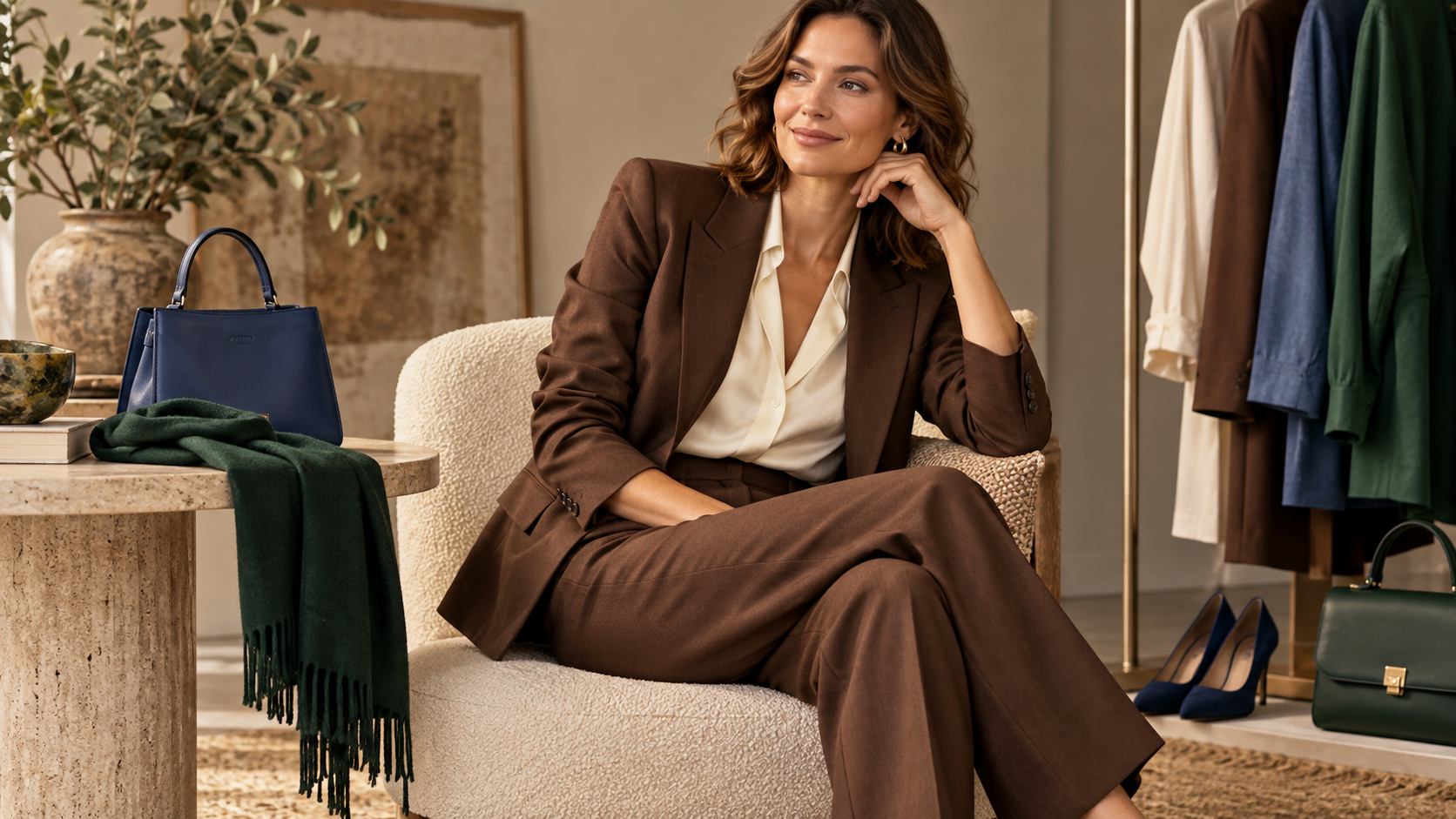
Both are elegant deep reds, and both work beautifully in fall and winter wardrobes. The difference is mainly in the undertone and the resulting warmth or richness.
What Colors Go With Maroon
Maroon, with its warm brown undertone, pairs beautifully with warm and neutral colors.
The best colors with maroon:
Cream and white for a soft, elegant contrast
Tan and camel for a warm, earthy pairing
Gold and mustard for a rich, warm look
Navy for a deep, sophisticated contrast
Gray for a balanced, muted combination
Olive green for an earthy, autumnal feel
Because maroon leans warm and brown, it blends especially well with earth tones like tan, camel, and olive. Maroon with cream or camel is a warm, elegant combination, perfect for fall.
What Colors Go With Burgundy
Burgundy, with its rich purple undertone, pairs beautifully with both warm and cool colors for an elegant look.
The best colors with burgundy:
Cream and white for a crisp, elegant contrast
Gold and mustard for a luxe, rich pairing
Navy for a deep, sophisticated combination
Gray for a refined, balanced look
Forest green for a rich, festive pairing
Blush pink for a soft, modern contrast
Burgundy is a jewel-toned deep red, so it handles rich partners like gold and green beautifully. Burgundy with gold looks luxe and elegant, while burgundy with forest green is a favorite festive combination.
How to Wear Maroon vs Burgundy
Both maroon and burgundy are versatile, elegant colors that work across your wardrobe. They are especially popular in fall and winter.
Ways to wear these deep reds:
A burgundy or maroon sweater with jeans or trousers
A deep red dress for an elegant, festive look
Burgundy or maroon accessories, like a bag, scarf, or shoes, as an accent
A maroon or burgundy blazer for a rich, sophisticated layer
Because both are deep and rich, they read as elegant and put-together. Pair them with neutrals like cream, gray, and navy for easy looks, or with gold and green for richer, dressier outfits. Whether you call it maroon or burgundy, this deep red is a stylish, wearable choice.
When to Wear Maroon vs Burgundy
Since maroon and burgundy differ mainly in undertone, choosing between them can depend on the rest of your outfit and even your skin tone.
Choose maroon when:
You are pairing with warm, earthy tones like tan, camel, brown, and olive
You want a slightly softer, warmer deep red
Your outfit leans autumnal and earthy
Choose burgundy when:
You are pairing with cooler or richer tones like gray, navy, and forest green
You want a more jewel-toned, wine-like richness
Your outfit leans dressy, festive, or elegant
In practice, both work in most situations, since they are close shades. But matching the undertone to the rest of your outfit gives the most harmonious result. A maroon that leans brown sits beautifully in an earthy fall palette, while a burgundy that leans purple shines in a rich, festive look.
Maroon and Burgundy Through the Seasons
Both maroon and burgundy are classic fall and winter colors, but they can work year-round with the right styling.
Fall: This is peak season for both. Pair maroon or burgundy with camel, brown, mustard, and cream for warm, seasonal outfits. A burgundy sweater or a maroon jacket feels perfectly autumnal.
Winter: Deep reds shine for the holidays. Pair burgundy with forest green and gold for festive looks, or with gray and navy for elegant winter outfits. Velvet in maroon or burgundy adds a luxe seasonal touch.
Spring and summer: Lighten the pairings. A burgundy or maroon piece with cream, white, or blush reads fresh rather than heavy, letting you wear these rich shades in warmer months.
Both colors are versatile enough to wear year-round, but they feel most at home in fall and winter, where their warmth and richness suit the season.
Maroon and Burgundy Outfit Formulas
Short on time? Use one of these tested combinations for either shade.
Burgundy and cream: soft, elegant, and easy.
Maroon and camel: warm and earthy for fall.
Burgundy and gold: rich and luxe for evening.
Maroon and navy: deep and sophisticated.
Burgundy and forest green: festive and elegant.
Each uses the deep red as the rich base, paired with a warm neutral or a luxe jewel tone.
Common Questions About These Deep Reds
A few extra questions come up often about maroon and burgundy, so here are quick, clear answers.
Are maroon and burgundy interchangeable in fashion? In everyday use, yes, the names are often swapped. Many stores label similar deep reds as either maroon or burgundy. For most outfits, the difference does not matter much, but knowing the undertone helps you pair them precisely.
Which is more popular in fashion? Burgundy tends to appear more often in fashion, especially for fall and festive collections, thanks to its rich, wine-like quality. Maroon shows up frequently too, often in more earthy or casual contexts.
Do they suit different skin tones? Both are flattering on most skin tones. Maroon's warmth can suit warm undertones especially well, while burgundy's richness flatters a wide range. As with any color, the best test is trying it near your face.
Whether you reach for maroon or burgundy, both are elegant, wearable deep reds that add richness to your wardrobe, particularly in the cooler months.
FAQ
Is maroon the same color as burgundy?
Not exactly. Both are deep, dark reds, but maroon has brown undertones, making it warmer and earthier, while burgundy has purple undertones, making it richer and more wine-like. The names are often used interchangeably, but the undertone reveals the difference.
Which is darker, maroon or burgundy?
They are close, but burgundy is often considered slightly darker and richer, while maroon can appear a touch lighter and browner. The more reliable difference is the undertone, brown for maroon and purple for burgundy, rather than the exact darkness.
What colors go with maroon?
Maroon pairs beautifully with cream, white, tan, camel, gold, navy, gray, and olive green. Because it has warm brown undertones, it blends especially well with earth tones like tan and camel. Maroon with cream or camel is a warm, elegant fall combination.
What colors go with burgundy?
Burgundy pairs beautifully with cream, white, gold, navy, gray, forest green, and blush pink. As a rich, purplish deep red, it handles luxe partners like gold and green well. Burgundy with gold is elegant, and burgundy with forest green is a festive favorite.
Final Takeaway and Next Step
For Maroon vs Burgundy, these deep reds are similar but not identical: maroon has warm brown undertones, while burgundy has rich purple undertones. Burgundy is often slightly darker and more wine-like. Both are elegant, versatile shades that pair with cream, gold, navy, gray, and green, and both shine in fall and winter.
Your next step: look at your deep red pieces and check the undertone, brown for maroon, purple for burgundy. Then try one with a neutral like cream or gray and one with a rich partner like gold or green. Understanding the difference helps you pair these elegant deep reds with confidence.