
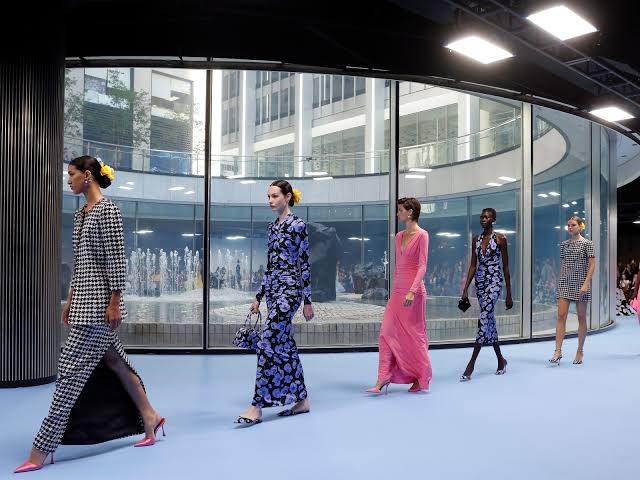

NYFW stands for New York Fashion Week. It is a twice-yearly event, held in February and September, where designers show their upcoming collections to buyers, press, celebrities, and fashion fans. Alongside Paris, Milan, and London, New York Fashion Week is one of the “Big Four” fashion weeks that shape global style trends. It is not just a series of runway shows. It is a major business and cultural event that influences what ends up in stores months later.
If you have seen “NYFW” all over social media and wondered what it means, here is a clear, complete explanation of what NYFW stands for and why it matters.
What NYFW Stands For
NYFW is short for New York Fashion Week. Each letter maps directly to the name:
- NY for New York
- F for Fashion
- W for Week
It is one of the most-watched fashion events in the world. New York Fashion Week happens twice a year, in February and September, because designers show collections one season ahead. The February shows preview fall and winter styles, while the September shows preview the following spring and summer.
Why NYFW Happens Twice a Year
The two-season schedule confuses a lot of people, so it is worth explaining. Fashion works ahead of the calendar.
Designers need time between showing a collection and getting it into stores. So they present next season’s clothes several months early. Buyers watch the shows, place orders, and the pieces reach shops in time for that season.
That is why you see winter coats on the runway in February and summer dresses in September. New York Fashion Week is essentially a preview of what you will be able to buy in the months ahead.
NYFW Is Big Business, Not Just Runways
To the public, NYFW looks like glamour, celebrities, and flashing cameras. Behind the scenes, it is a serious economic engine for New York City.
New York Fashion Week generates an estimated $887 million in total economic impact each year for the city, according to the New York City Economic Development Corporation. It draws more than 230,000 attendees to over 500 shows. That impact rivals or exceeds major sporting events held in the city.
The wider New York fashion industry is even larger. The state’s fashion industry generates more than $24 billion in wages annually and employs hundreds of thousands of people, according to figures from the office of the New York Governor. So when designers show at NYFW, they are driving a huge business, not just putting on a show.
A Brief History of New York Fashion Week
Understanding where NYFW came from adds context to what it is today. New York Fashion Week has roots going back decades, and it was actually the first organized fashion week in the world.
The event traces back to 1943, when it was created to give American designers attention at a time when the fashion world focused almost entirely on Paris. During World War II, travel to Paris was difficult, so New York organized its own showcase to spotlight homegrown talent. It worked, and American fashion gained a global platform.
For years, individual designers held shows around the city. The event became more organized over time, eventually centralizing at venues like Bryant Park and later Lincoln Center, before spreading across multiple locations again in recent years. Today, New York Fashion Week is a sprawling, citywide event with shows in many venues.
This history matters because it explains why NYFW is one of the “Big Four” and why it carries such weight. It was the original, and it helped establish American fashion as a global force. When you watch NYFW today, you are seeing an event with more than eighty years of history behind it.
What Actually Happens at NYFW
New York Fashion Week is a packed schedule of events across the city. Here is what goes on.
- Runway shows. Designers debut their new collections on models walking the runway.
- Presentations. Static shows where models pose so guests can view the clothes up close.
- Showroom appointments. Buyers view collections privately to place orders.
- Parties and events. Brand launches, celebrations, and networking events.
- Street style. Attendees dress to be photographed outside the venues, which has become its own spectacle.
The shows themselves are often short, lasting around ten to fifteen minutes each, but the surrounding week is a nonstop mix of business and social events.
How NYFW Trends Reach Your Closet
One reason NYFW matters even if you never attend is that it shapes what you eventually buy. The trends shown on the runway filter down to everyday stores over the following months.
Here is roughly how it works:
- Designers show next season’s collections at NYFW and the other Big Four weeks
- Buyers and retailers spot the key trends, colors, and silhouettes
- High-street and affordable brands interpret those trends for mass production
- The trends reach stores in time for that season, in wearable, budget-friendly versions
So a color or silhouette you see on the NYFW runway in September often shows up in affordable stores the following spring. This is why watching Fashion Week, even casually, gives you a preview of what will be everywhere soon. You can spot the trends early and decide which ones actually suit your style before they saturate the shops.
This trickle-down effect is part of why NYFW carries such influence. It is not just entertainment for insiders. It sets the direction for the clothes millions of people will wear months later.
Who Can Attend New York Fashion Week?
This is one of the most common questions, and the answer surprises people. Most NYFW shows are not open to the public.
The main audience includes:
- Fashion buyers from stores and retailers
- Press and fashion media
- Celebrities and influencers
- Industry insiders and designers
- Special guests invited by the brands
Shows are invite-only, and seats are carefully assigned. That said, some brands and organizers have added public-facing events, ticketed shows, and experiences in recent years, so it is becoming a little more accessible than it once was. But the core industry shows remain invitation-only.
The Big Four Fashion Weeks
New York Fashion Week is one of four major fashion weeks that lead the global calendar. Together they are called the “Big Four.”
| Fashion Week | City | Known For |
|---|---|---|
| New York (NYFW) | New York | Modern, wearable, commercial style |
| London | London | Bold, creative, emerging talent |
| Milan | Milan | Luxury, craftsmanship, heritage brands |
| Paris | Paris | High fashion, couture, prestige |
These four cities host their fashion weeks in a set order each season, usually New York first, then London, Milan, and Paris. Together they set the trends that flow down to the clothes most people eventually buy.
What to Wear if You Get to Attend
If you are lucky enough to score a ticket to an NYFW show or event, dressing the part matters, since street style is part of the experience.
The goal is polished and personal:
- Wear something stylish that reflects your taste
- Add one standout piece, like a bold coat or striking shoes
- Keep shoes comfortable, since you will stand and walk a lot
- Skip huge hats or bulky bags that block views or seats
- Dress for the weather, especially the September and February timing
Confidence in your outfit matters more than an expensive label. Wear your own style rather than a costume, and you will fit right in.
FAQ
What does NYFW stand for?
NYFW stands for New York Fashion Week. It is a twice-yearly event, held in February and September, where designers show their upcoming collections to buyers, press, and fashion fans. It is one of the “Big Four” fashion weeks alongside Paris, Milan, and London.
When is New York Fashion Week?
New York Fashion Week takes place twice a year, in February and September. The February shows preview fall and winter collections, while the September shows preview the following spring and summer, since designers present one season ahead of when clothes reach stores.
Can the public attend NYFW?
Most core NYFW shows are invite-only, reserved for buyers, press, celebrities, and industry insiders. However, some brands and organizers now offer ticketed shows and public-facing events, making parts of Fashion Week a little more accessible than in the past.
What are the Big Four fashion weeks?
The Big Four fashion weeks are New York, London, Milan, and Paris. They host their shows in that order each season and together set the global trends that eventually influence the clothes sold in stores worldwide.
Final Takeaway and Next Step
NYFW stands for New York Fashion Week, a twice-yearly event where designers preview upcoming collections. It is one of the Big Four fashion weeks and a major business event, generating hundreds of millions in economic impact and shaping the trends you see in stores months later.
Your next step: the next time NYFW rolls around in February or September, follow a few designers or the official schedule online. Watching the collections gives you an early look at the trends that will hit stores in the coming season, so you can shop ahead of the curve. Bookmark the dates and see the trends before everyone else.